
Keep up-to-date with the latest news and events in Greater Manchester.


Top tips to help you enjoy a greener Easter by minimising waste and recycling wherever possible.
READ
Here’s everything you need to know to stay sustainable during your Seder and spring cleaning.
READ
If you’re preparing to observe in the Holy month of Ramadan this year you are probably busy planning on self-reflection, donating and family time. And eating, of course. Here’s our guide to staying sustainable this Ramadan…
READ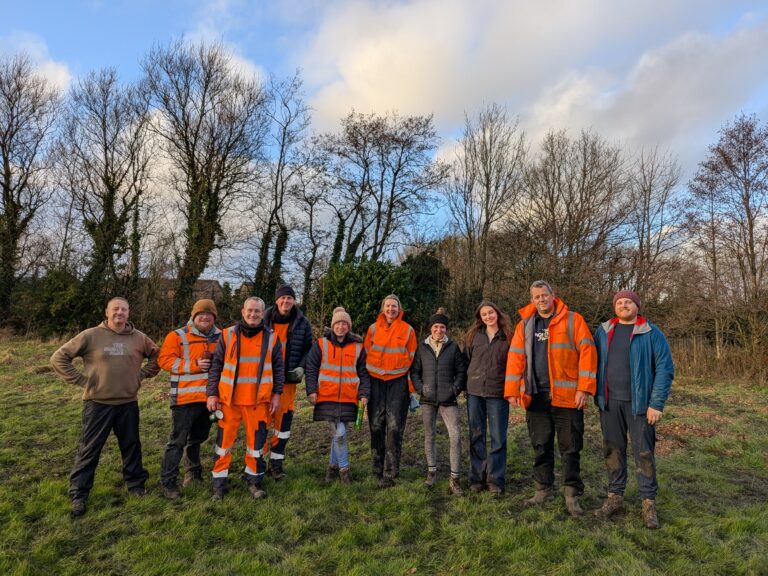
A dedicated team of 10 volunteers from R4GM’s waste disposal partner, SUEZ recycling and recovery UK, planted an impressive 210 native trees in Rochdale in December, working in partnership with the Community Forest for Greater Manchester, City of Trees. The trees were planted on a green space near the Healey Foundation Primary School on Tuesday […]
READ
Halloween is my favourite time of the year. I love any reason to get dressed up and to make my house look spooky! But as someone that cares about the environment, I hate to see all the single-use items we use once and then bin. So, this year I’ve challenged myself to waste less. Here’s how I got into a Hallo-green mindset.
READ
Greater Manchester Fire and Rescue Service (GMFRS) and Recycle for Greater Manchester (R4GM) are urging residents to take care when disposing of items containing batteries after a lorry caught fire last week.
READ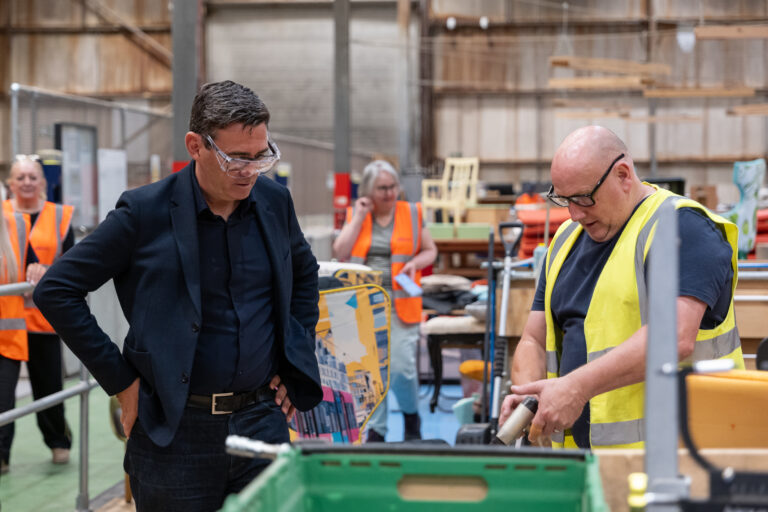
Renew celebrates four years and millions of pounds transforming local waste into community good. Renew has donated £1.6 million directly to community groups and charities across Greater Manchester in the last four years. Renew is a joint initiative between Recycle for Greater Manchester (R4GM) and SUEZ recycling and recovery UK and is the largest reuse […]
READ
Whether your offspring are moving out for the first time, or coming back for summer these hacks will save you time and money.
READ
Here’s everything you need to know to stay sustainable during your Seder and spring cleaning.
READ